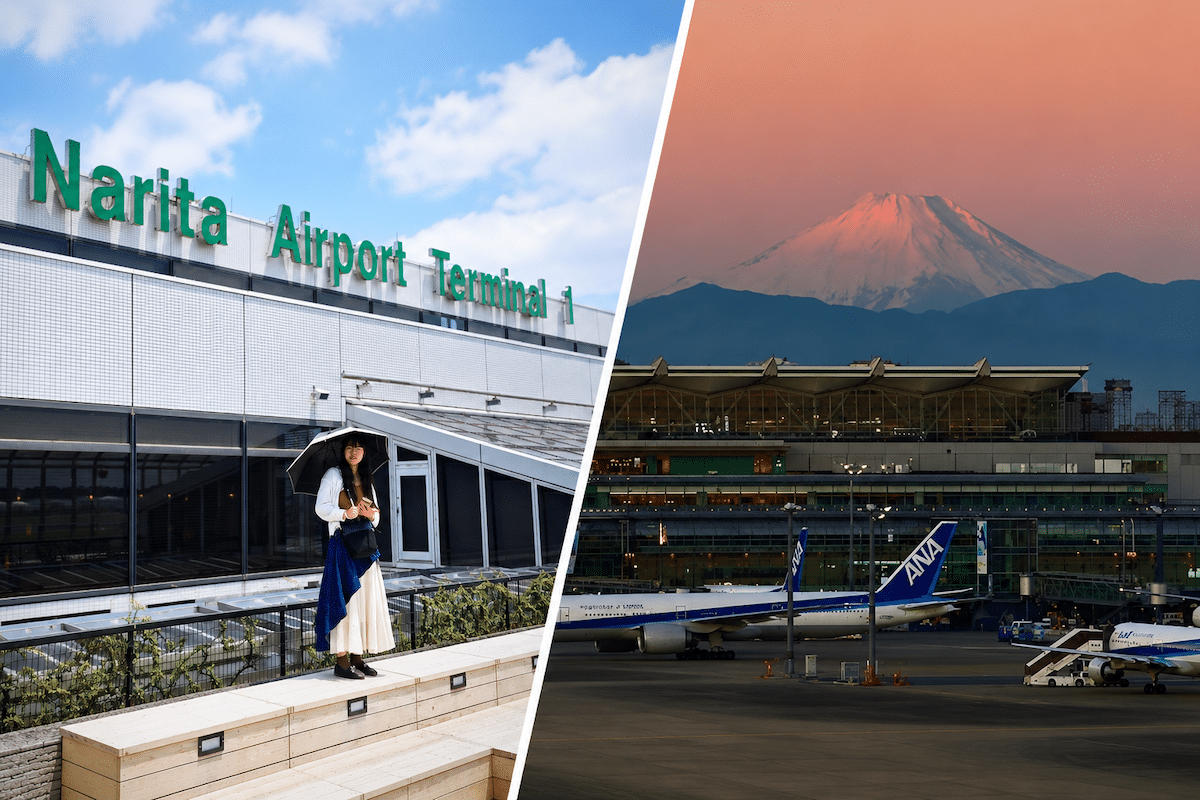
Japan’s largest city, Tokyo, has always been a popular destination for travelers from all over the world. Both of Tokyo’s airports, Narita and Haneda have similarities and benefits that could make or break a traveler’s airport decision. Let’s take a look at what each airport has to offer, and which one is the right choice for you on your next trip to Japan!
Haneda vs. Narita at a Glance
| Haneda | Narita | |
|---|---|---|
| Distance to Central Tokyo (Tokyo Station) | 15-20 km | 60-80km |
| Train time to Central Tokyo (Tokyo Station) | 30 minutes | ~1 hour; (JR Narita Express/N’EX or Keisei Skylinter + transfer to JR train) |
| Cost to Central Tokyo by Train (Tokyo Station) | 720 JPY one way (via Tokyo Monorail + local JR service) | 2780JPY one way(via Keisei Skyliner + local JR service) 3140 JPY one way (Tokyo Station via JR Narita Express/N’EX) or included as part of the Japan Rail Pass |
| Drive time to Central Tokyo | 25 minutes | 56 minutes |
| Toll costs to Central Tokyo | Up to 1950 JPY | Up to 3500 JPY |
| Approx. Taxi cost to Central Tokyo | Up to 11,000 JPY plus expressway toll charges | Up to 30,000 JPY plus expressway toll charges |
| Number of Airlines | 45 airlines | 85 airlines |
| Airline Alliance Preference | Star Alliance, Oneworld | Star Alliance, Oneworld, SkyTeam |
| Hub Airlines | ANA, Japan Airlines | ANA, Japan Airlines |
Distance and Transit Time to Urban Tokyo
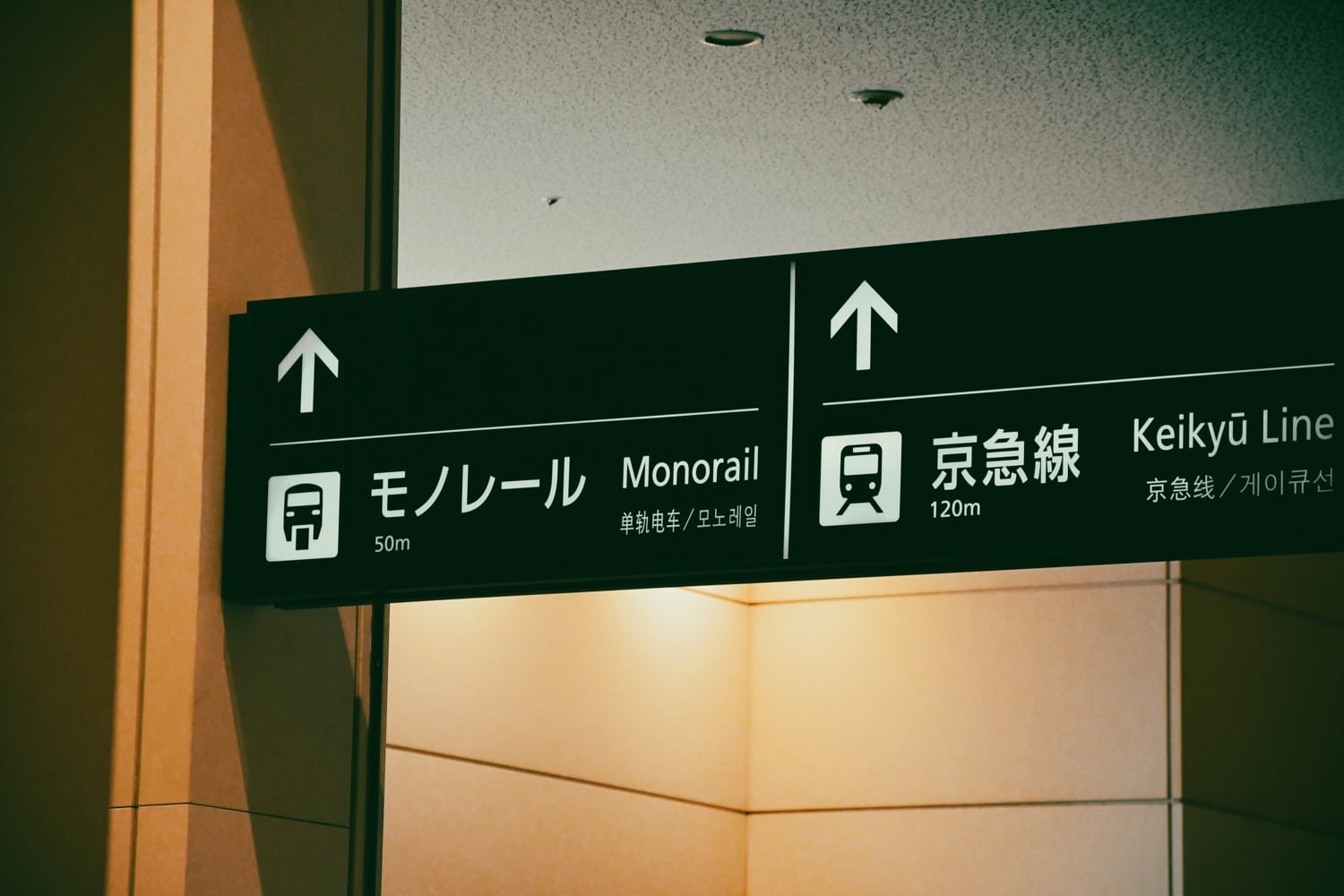
Getting to Haneda (Monorail, Keikyu Line, taxi cost)
Haneda’s proximity to urban Tokyo makes it the most convenient airport to fly into, regardless of the method of transport you use to get into the city. On average, it would take about 30 minutes from Haneda into the city center. Using Tokyo’s train system, you can choose between the Monorail and Keikyu lines.
The monorail connects Haneda Airport with local JR trains, Toei Subway and Rinkai railway lines. Additionally, if you travel to or from either Hamamatsucho or the Haneda Airport stations using the Tokyo Monorail, you can earn JAL Mileage Bank or ANA Mileage Club points. Any boardings or disembarkations between the two stations will disqualify you from earning points for your trip. You will need to link your IC card, which can be any of the 10 nationally accepted card types, after your travel segment at a dedicated loyalty membership terminal at either station.
The other train line, Keikyu, offers local and through service from Haneda to Shinagawa, Tokyo’s city center via the Toei Asakusa Subway Line, and even Narita Airport via the Asakusa and Keisei lines. If you plan to take the Shinkansen immediately from the airport, the Keikyu line is the best option, with a connection at Shinagawa station.
Getting to Narita (Skyliner, N’EX, taxi cost)
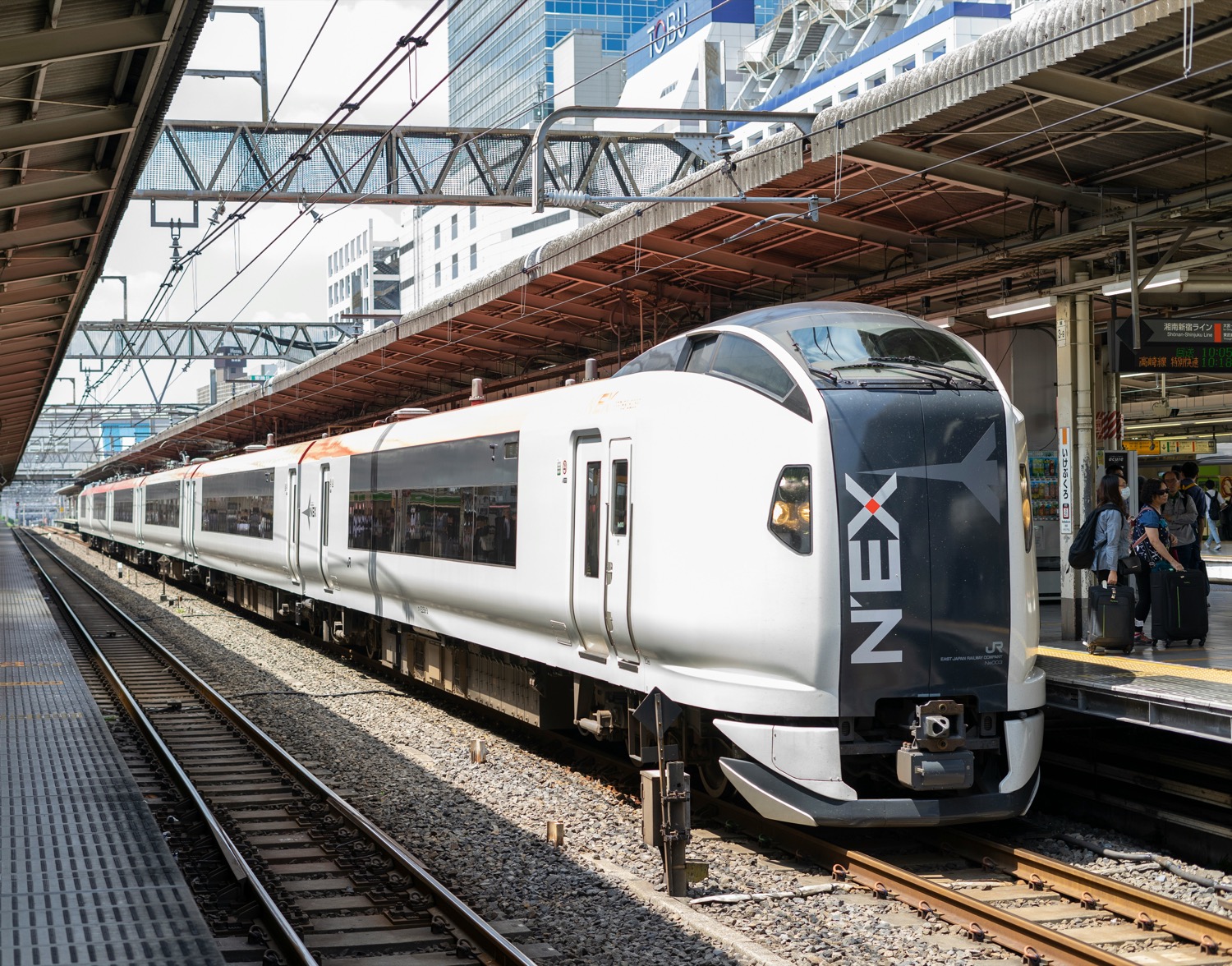
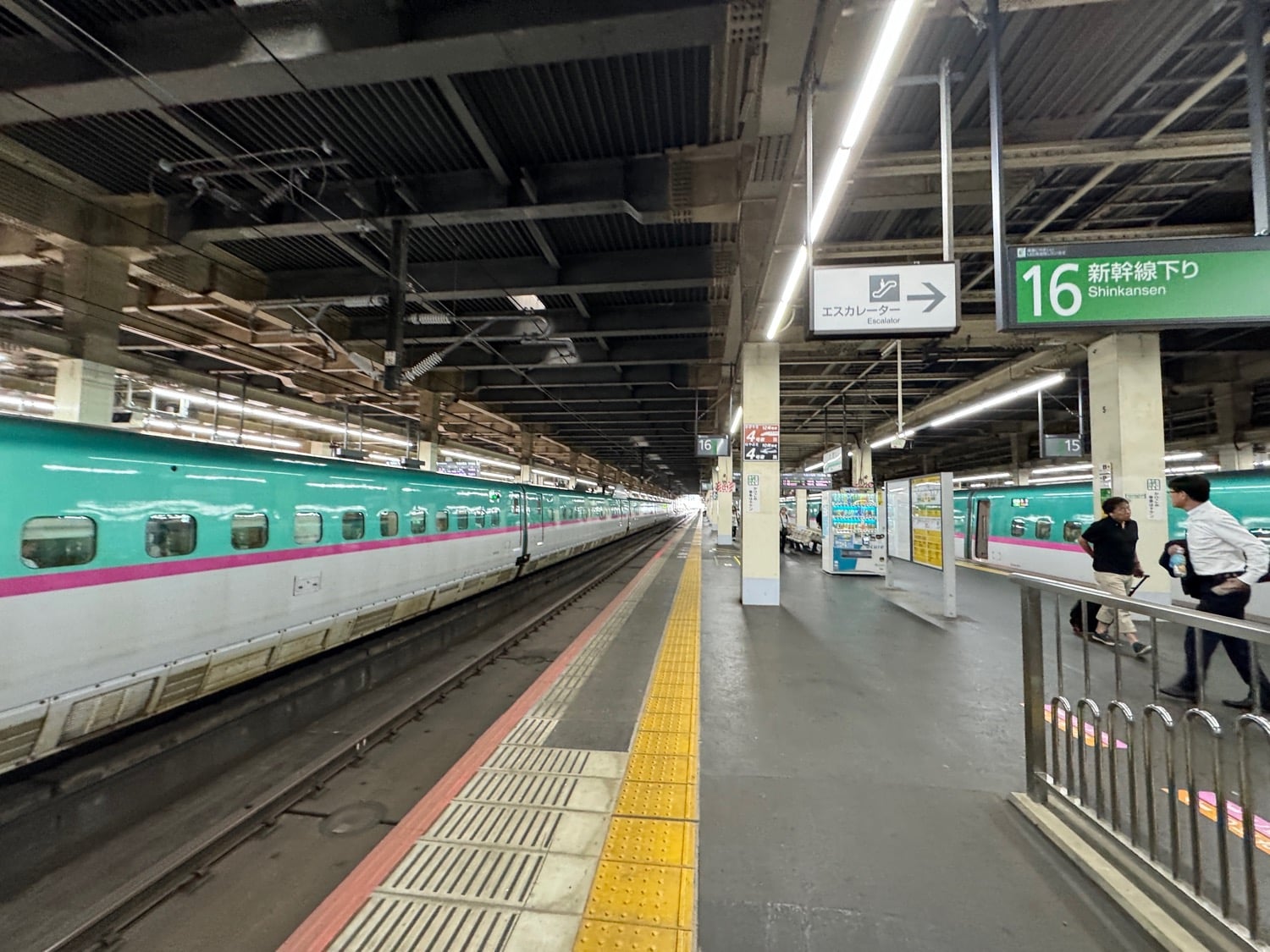
Narita is farther from Tokyo’s city center than Haneda, but it still offers decent connections to some of the busier parts of the city. Several train services run from Narita, including the JR Narita Express to Tokyo Station, Shinjuku, and Shinagawa, among other major destinations. Although this may not be the fastest way to get to Shinjuku, it saves you a connection and the risk of getting lost in Tokyo’s bustling train stations. The fare is ¥3,140 to Tokyo Station, with prices up to ¥4810 if you’re taking it all the way to Ofuna.
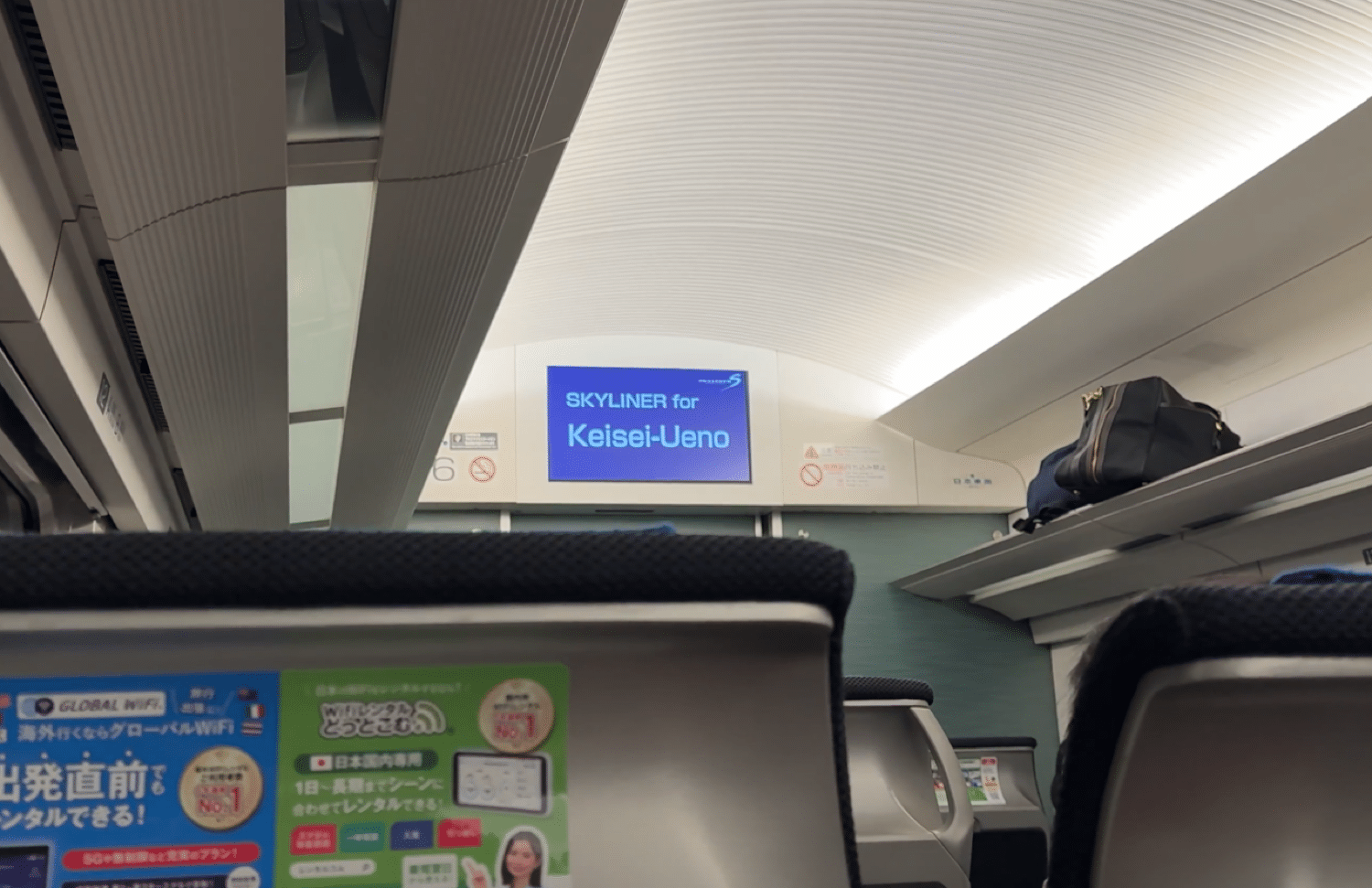
The Keisei Skyliner is the fastest line to Nippori and Keisei-Ueno stations from Narita. It’s also Japan’s fastest non-Shinkansen line, whisking passengers from Narita to Ueno in just over 40 minutes. The price is ¥2,580 to get to Ueno. This would be your best option if you’re travelling to northern Tokyo or transferring to a Shinkansen for cities northward, including Sendai.
Although Narita is considerably further to Tokyo’s city centre compared to Haneda, if you’re staying in the North or Eastern parts of Tokyo like Asakusa or Ueno, it would be as convenient as flying through Haneda. Connections to Shinkansen services north of Tokyo would also be at Ueno station.
Connecting between Haneda and Narita
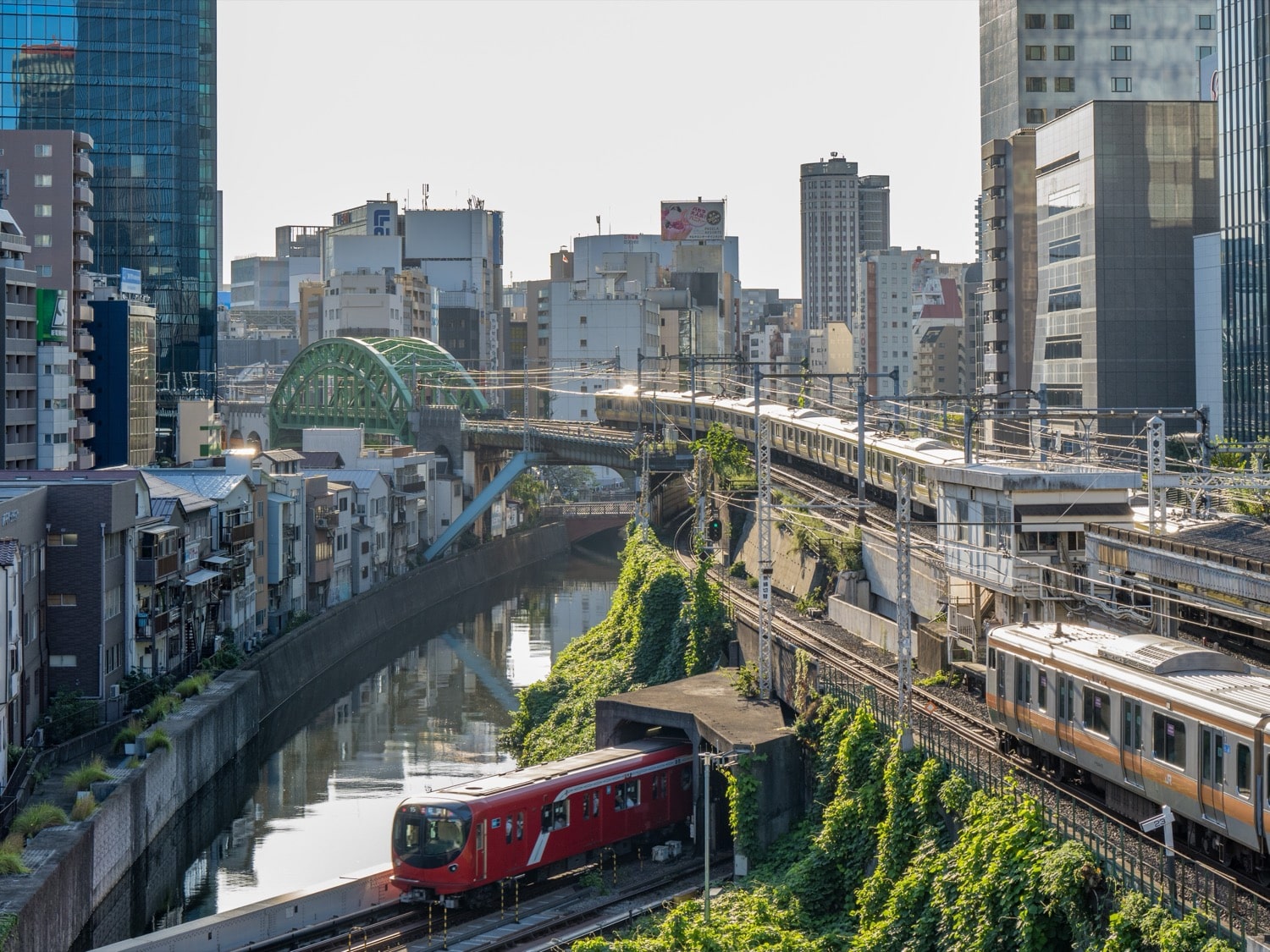
If you choose an itinerary that includes a change of airport, buses and trains connect both airports. If your itinerary includes an overnight stay and you’re planning to take the train into Tokyo, I recommend finding accommodation somewhere along the train line. Both options can take between 90 and 120 minutes from point to point.
The Asakusa Subway Line has through service (Airport Limited Express) to either airport, making a seamless connection between the two airports. The end-to-end travel time is 1 hour and 46 minutes, which is quite competitive with other train lines from Narita just getting to the city center.
Flight Options and Airline Coverage
Which Airlines Fly Into Haneda
Haneda’s big advantage is its close proximity to Tokyo’s city center and vast network of domestic connections. International long-haul flights didn’t start flying from Haneda until 2014. There is a much more limited international presence at Haneda compared to Narita. Although many international legacy carriers fly to Haneda, they are typically more expensive or have less availability than their Japanese counterparts.
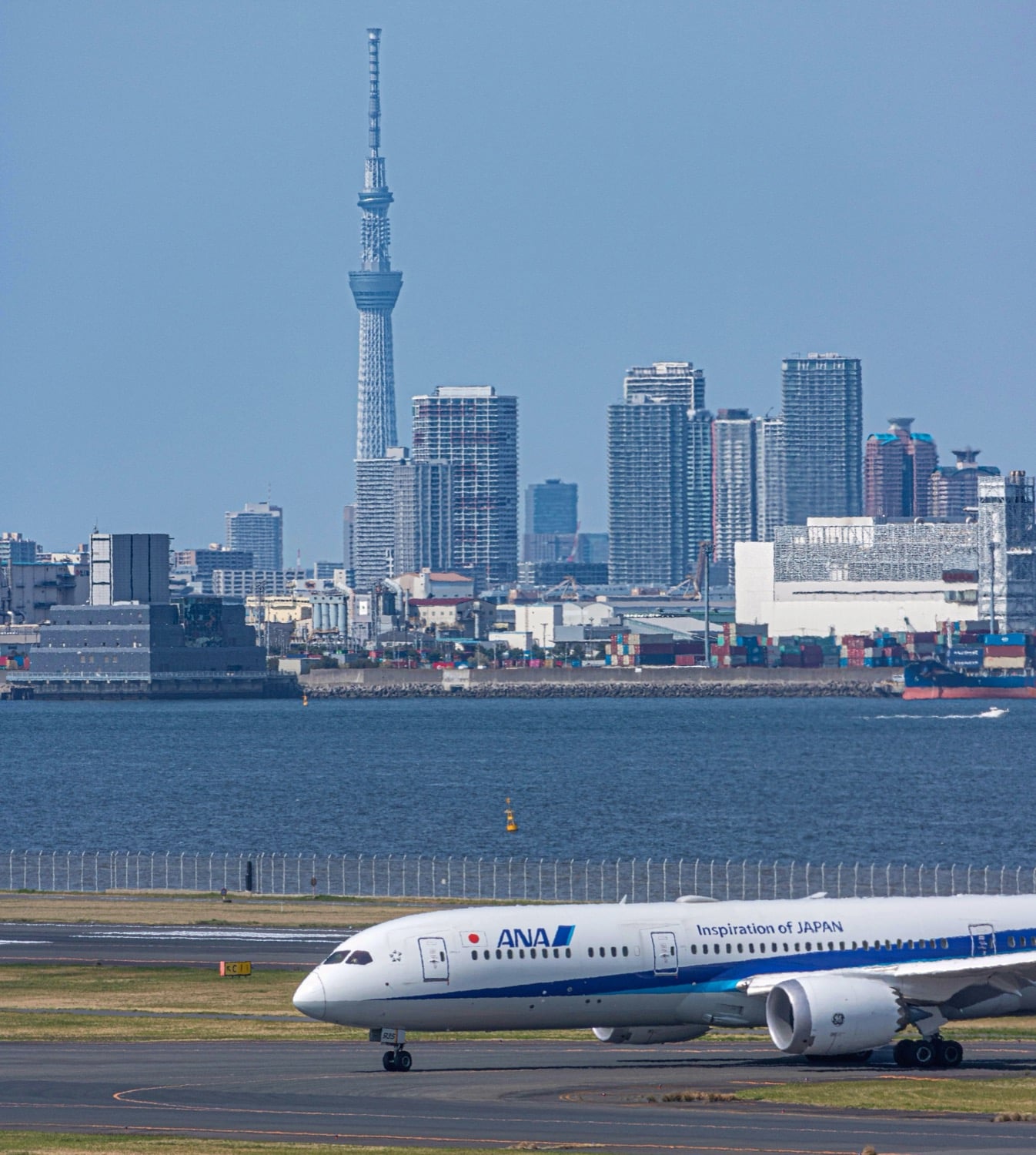
For Canadians, the only direct flights to Haneda are available on Air Canada from Toronto-Pearson, or All Nippon Airways from Vancouver.
Which Airlines Fly Into Narita
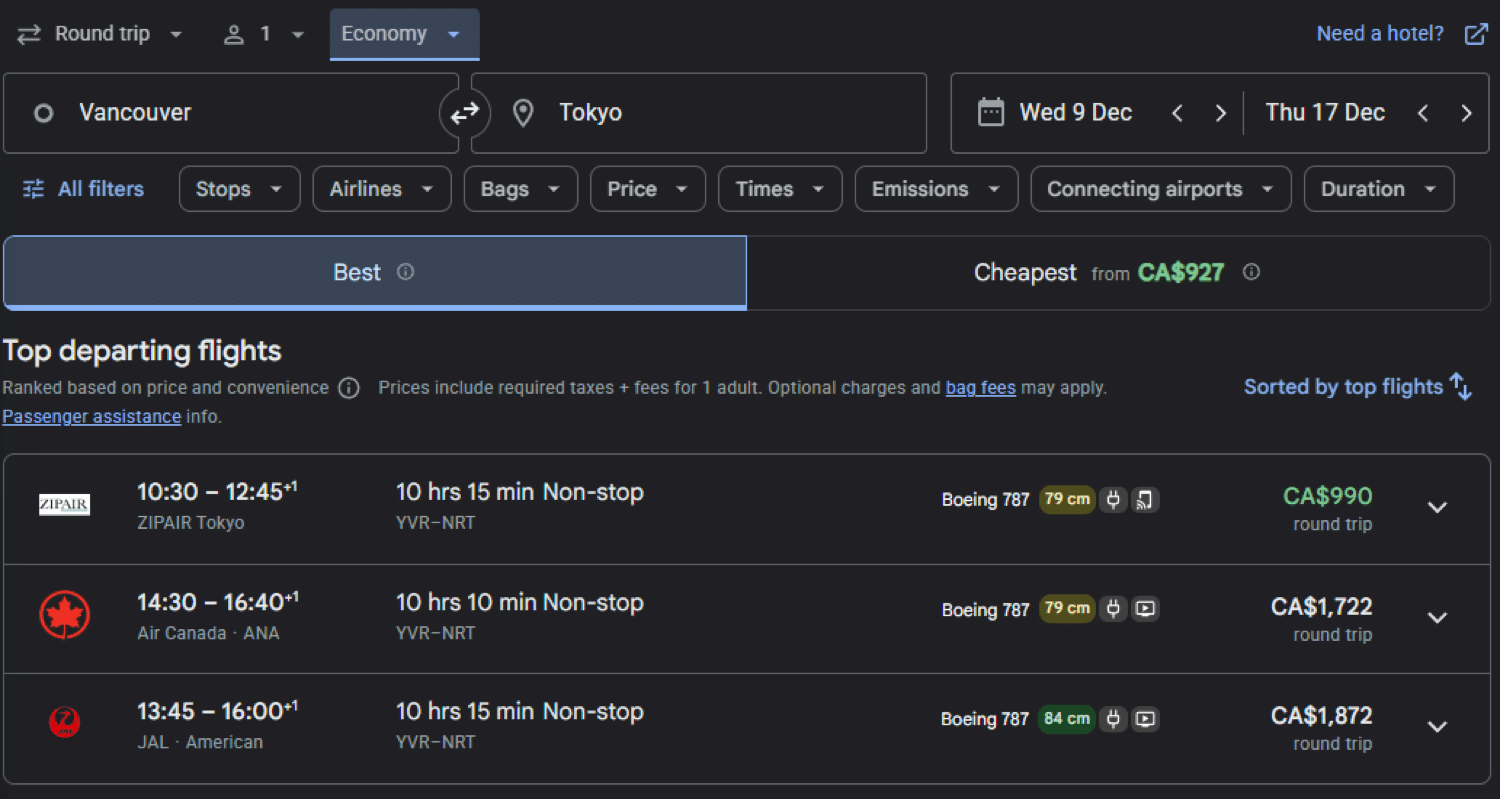
Narita is a much larger airport with a focus on international flights and low-cost carriers. The majority of flights from Narita are international flights, where Narita provides an advantage as a connecting point for travelers between North America and deeper parts of Asia. For most people, flying into Narita will be cheaper than flying into Haneda. For Canadians, Narita is served by WestJet for direct flights from Calgary, plus a long-haul low cost carrier option with Zipair, which flies from Vancouver.
There are flights from all parts of the world, including some fifth-freedom flights connecting non-Japanese carriers to destinations outside of their home country and Japan. For example, United operates a narrowbody aircraft based in Guam, for services from Narita to other Asian destinations like Ulaanbaatar, Cebu and Kaohsiung.
Domestic Connections: Haneda’s Big Advantage
Haneda was Tokyo’s only airport until 1978 when Narita opened. Between 1978 and 2010, all flights from Haneda were domestic, where both ANA and JAL to this day have flights to all corners of Japan. Moreover, Haneda’s proximity to Tokyo’s city centre makes domestic travel a lot more competitive to Japan’s vast railway network. If you’re planning to stay a few days in Tokyo, Haneda’s domestic advantage makes it the best option for flying in and out of Tokyo.
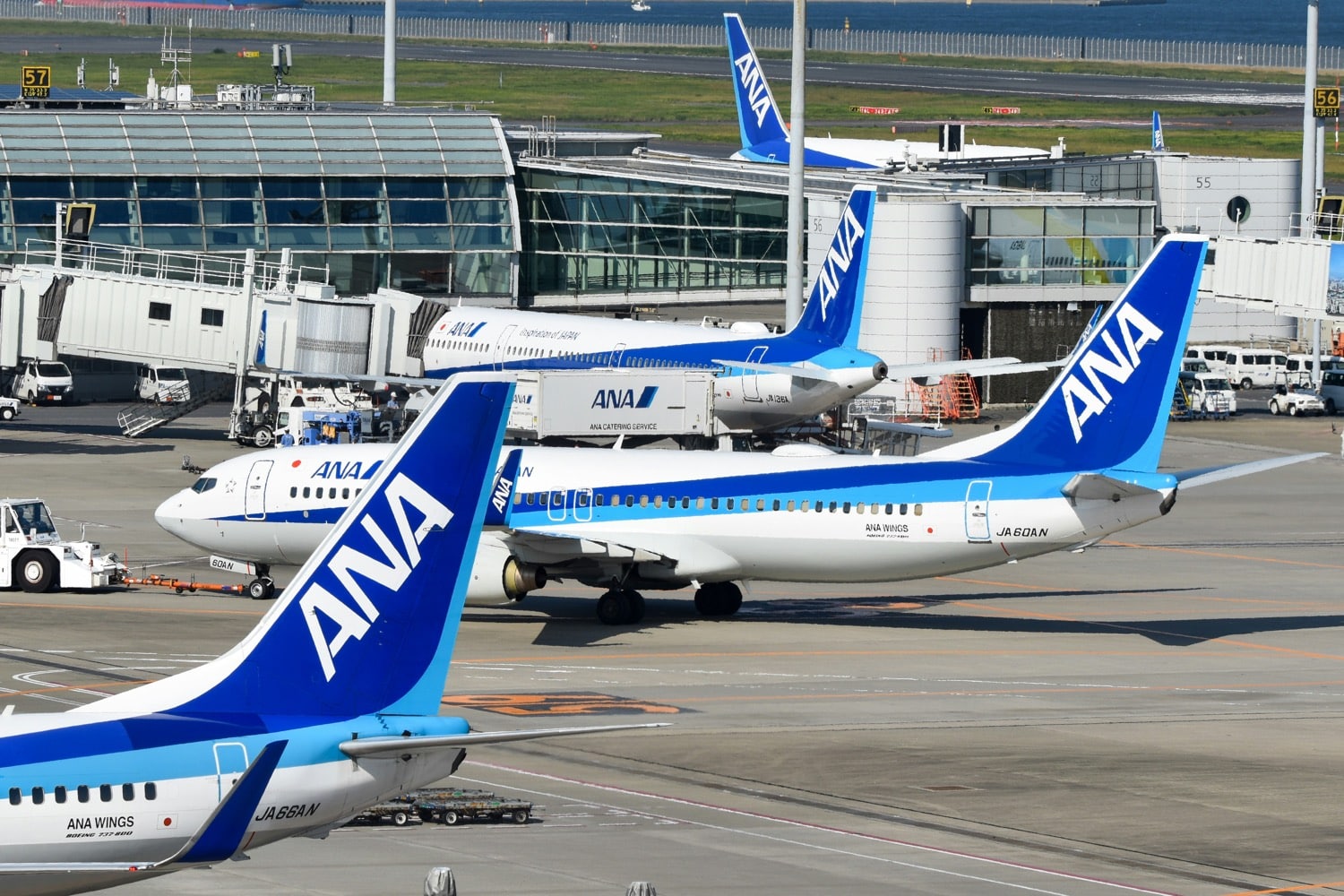
Hub airlines offer extremely frequent flights from Haneda to other major cities in Japan, sometimes less than hourly. Booking at the airline counter just before departure is common for flights in Japan, so if your plans change, the price difference is much smaller than what we’re used to booking last minute in North America. For example, Japan Airlines has different fare types/pricing for reservations made on the same day, 1 day in advance, and 28 days in advance for domestic flights.
Earning and Redeeming Points: Does the Airport Matter?
Both Haneda and Narita airports have their benefits and drawbacks when it comes to choosing which Tokyo airport to fly into. Depending on your needs, it can be a toss up deciding which factors matter for your trip.
Best Award Availability by Airport (ANA/JAL via Aeroplan, Velocity, etc.)
Award availability between Narita and Haneda really depends on what flights are available to either airport. Most direct international flights to Tokyo would usually fly into Narita. That being said, non-stop flights don’t always mean a cheaper redemption rate. The best way to find the best flight option for you is to use an Award Flight Search Tool, like AwardTool, seats.aero, Roame, etc.
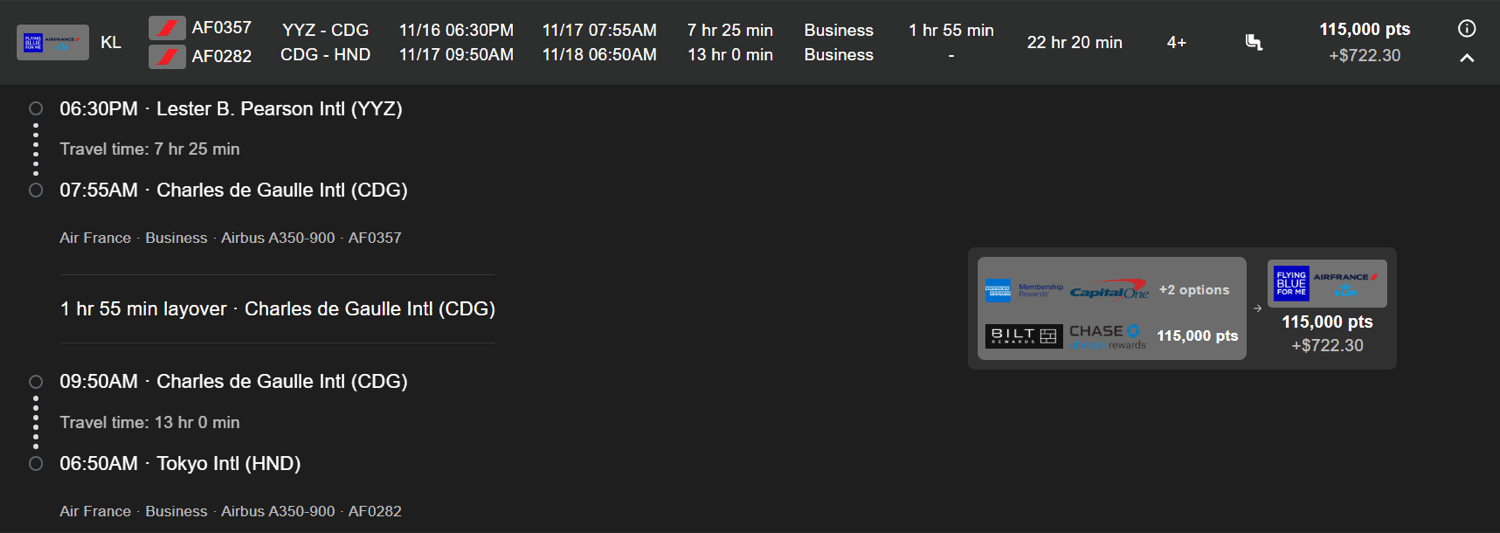
There are some routing combinations that’ll include some sort of short Economy segment in your itinerary, so if you don’t mind going on a little adventure, you can find decent transcontinental redemptions for under 100,000 points.
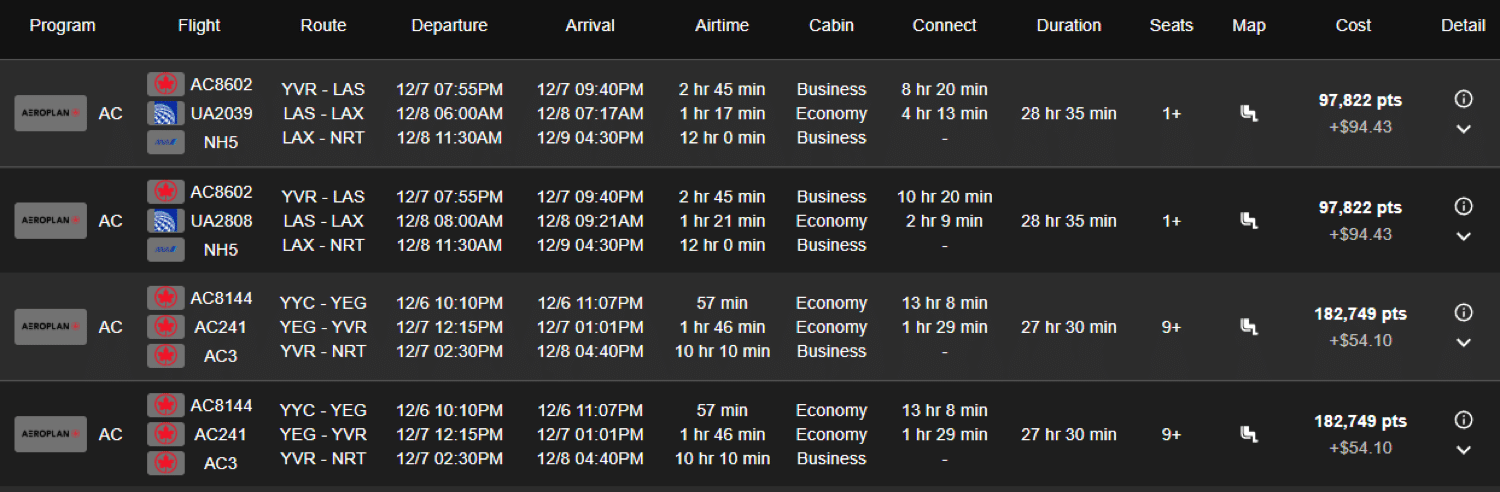
If you value convenience or you have a ton of points and don’t really care how much you want to spend, flying into Haneda would be the best option.
Business/First Class Award Seats — Haneda vs. Narita Routes
As mentioned, some global legacy carriers have some sort of offering to Haneda Airport. However, non-Japanese airlines typically use their largest aircraft on high-demand flights because of the limited slots available at Haneda Airport. Haneda flights will typically be priced more in cash due to demand for its proximity to the city.
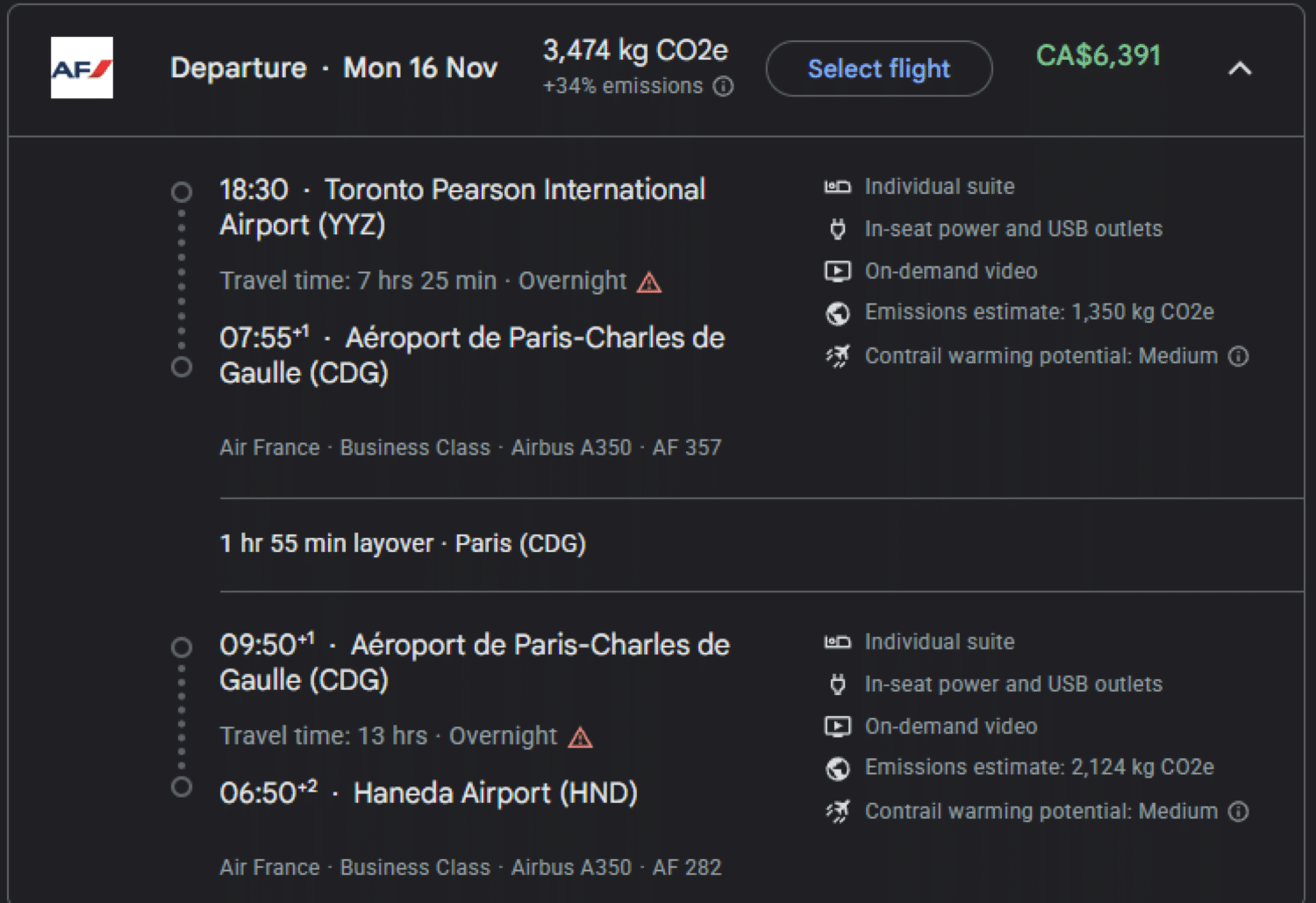
Narita flights will typically have more availability and airline variety if you’re looking to experience a particular product like Ethiad Airways First Class “The Residence”, where Etihad does not fly to Haneda. Narita is also much farther than Haneda, so plan for at least 90 minutes to get to and from the airport, whether you’re driving or taking public transportation.
Lounge Access Compared
Haneda Lounges
All Nippon Airways (ANA)
Japan Airlines and All Nippon Airways both have dedicated lounges for domestic and international passengers. Both airlines offer a regular airline lounge for general eligible access, like Oneworld Sapphire or Star Alliance Gold, and lounges exclusively for First Class passengers.
The ANA Suite Lounge is reserved for First Class passengers on ANA or Star Alliance flights, ANA Diamond Service members, or passengers with the ANA Million Miler Lounge Access Card. All three eligible customers can bring a guest into the lounge. This includes passengers flying in ANA’s “The Suite” First Class product.
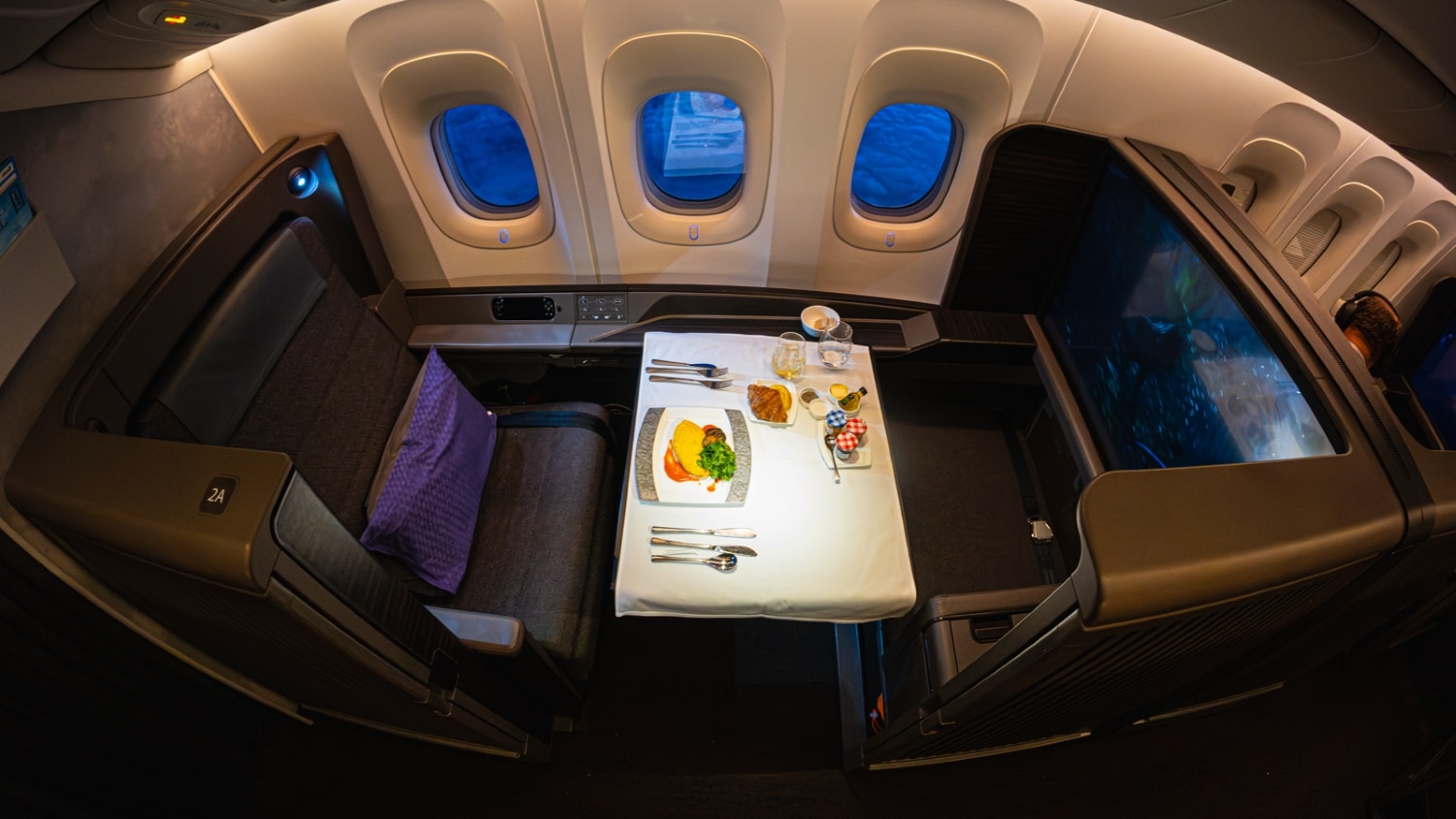
For the ANA Lounge, access is available to the passengers mentioned above, plus Star Alliance Business Class customers, ANA Super Flyers, Platinum Service members, Star Alliance Gold customers, and even Premium Economy customers. Except for Business Class and Premium Economy passengers, all other customers can bring a guest into the lounge. There is one ANA SUITE LOUNGE and 2 ANA LOUNGEs at Haneda Airport.
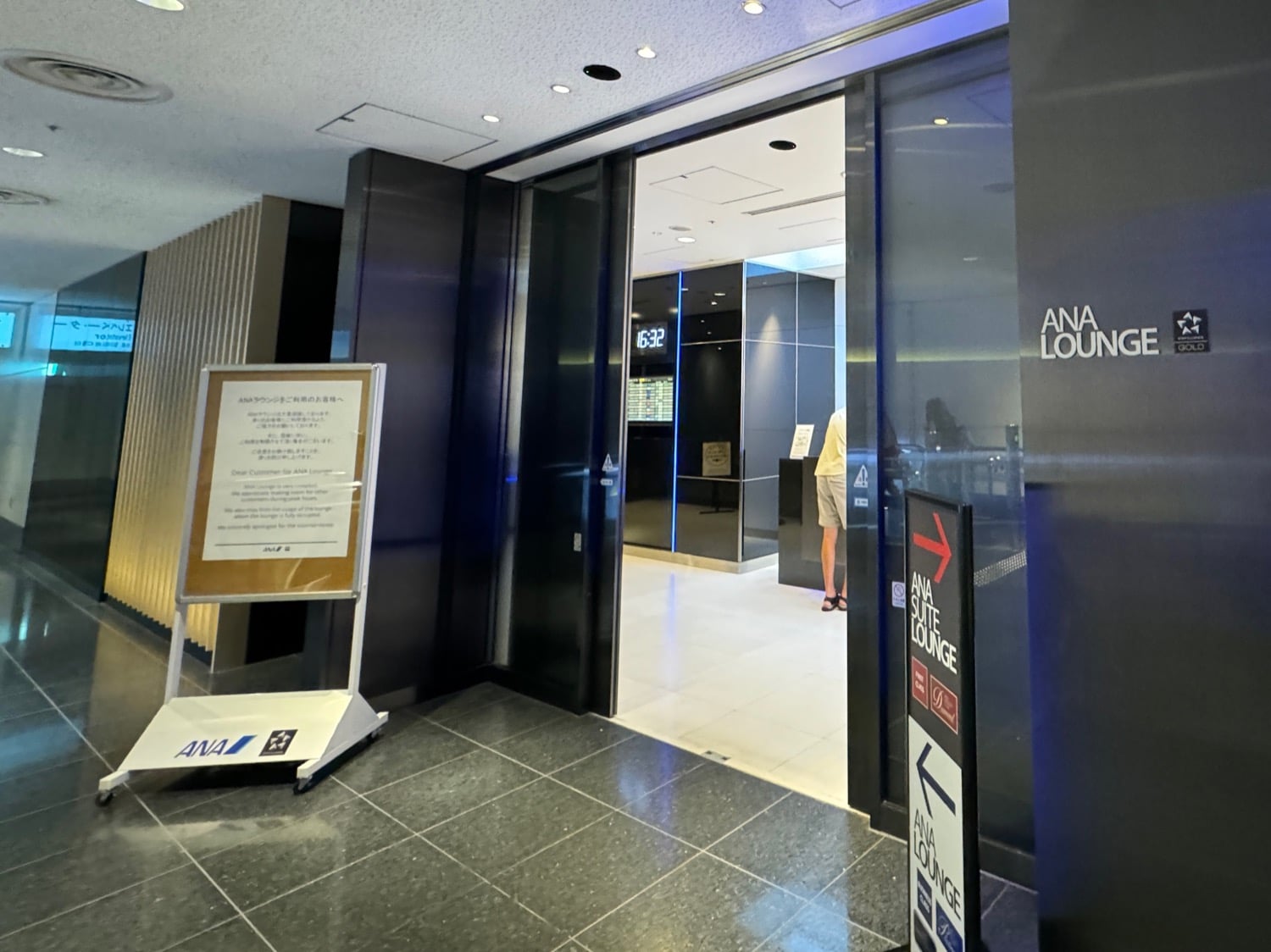
Japan Airlines (JAL)
Similar to ANA, JAL operates a First Class Lounge, open to First Class passengers and JAL Mileage Bank Diamond, JGC Premier, and oneworld Emerald tier status holders.

In addition to the passengers mentioned above, the Sakura Lounge is also open to JMB Sapphire, JAL Global Club, oneworld Sapphire, Business Class, Premium Economy, and even Economy passengers booked in the Flex tier (with the exception to Guam and Seoul passengers).
Beyond Japanese airline lounges, Delta and Cathay Pacific have opened their own lounges at Haneda Airport.
Non-Japanese Airlines
Delta Airlines made the bold decision to move all of their flights from Narita to Haneda Airport in 2020, making them the only US carrier to exclusively operate out of that airport. Delta’s Sky Club is the only direct SkyTeam airline lounge at Haneda.
Similar to other Delta Sky Clubs, access is restricted to SkyTeam Elite Plus passengers, premium credit card holders (including the American Express Platinum card), or those sitting in a premium cabin on Delta or a SkyTeam carrier.
Cathay Pacific’s lounge at Haneda doubles the oneworld airline lounge presence, giving an additional option to the JAL lounges. Similarly, this lounge is open to premium cabin customers, oneworld Sapphire and up customers, and even Cathay Lounge pass holders.
Non-airline Lounges
In addition to airline lounges, Haneda offers many contracted lounge options, with access available to premium credit card holders and business-class passengers on airlines without their own lounge at Haneda. There are at least 2 Priority Pass affiliated lounges in each of Haneda’s 3 terminals.
There is also an American Express Centurion lounge, with access for American Express Platinum cardholders and above. The Centurion Lounge is in Terminal 3 and open from 8 AM to 10 PM every day. This lounge is the first of its kind in Japan and opened in July 2025.
For reference, Haneda Airport has a handy guide that provides a full list of Haneda’s Credit Card lounges at each terminal.
Narita Lounges
Similar to Haneda Airport, both ANA and JAL operate their own First Class and Business Class lounges. However, with a larger international airline presence at Narita, many non-Japanese airlines have a lounge at Narita, in addition to a number of contracted lounges.
All-Nippon Airways (ANA)
Like Haneda, All Nippon Airways operates ANA SUITE LOUNGES and ANA LOUNGES in Terminal 1. There is one ANA SUITE LOUNGE in the No. 5 Satellite buildings and an ANA LOUNGE in both No. 2 Satellite and No. 5 Satellite buildings.
In addition to ANA’s departure lounges, ANA also operates an Arrival lounge for International arrivals and domestic departures. This lounge is located outside the secured area and is exclusively for eligible international ANA customers arriving into NRT. Other Star Alliance flights are disqualified for entry. Domestic arrivals into NRT on ANA are also not allowed into this lounge. Entry is permitted for ANA First and Business Class customers, as well as Diamond, Platinum and Super Flyers (ANA’s credit card) members. ANA Million Milers with a “Lounge Access Card” also have access to this lounge.
Japan Airlines (JAL)
Japan Airlines operates their flights from Terminal 2 at Narita, where they have both a First Class Lounge and Sakura Lounges for passengers. Access and privileges for Japan Airlines lounges are relatively the same as their Haneda counterpart. One Sakura Lounge is for their domestic flights while the other location and the First Class Lounge is for their international flights.

Although Zipair is a whole subsidiary of Japan Airlines, passengers flying in their barebones business class cabin do not receive access to their lounges.
Non-Japanese Airline Lounges
Each major airline alliance has a non-Japanese airline operated lounge at Narita Airport. In addition to the alliance lounges, Emirates also operates their own lounge at Narita.
Oneworld (oneworld Sapphire or higher):
- Cathay Pacific (temporarily closed for renovations)
SkyTeam (SkyTeam Elite Plus or higher):
- China Airlines (7:35 AM to 7:50 PM)
- Korean Air (7:20 AM to 8:45 PM)
Star Alliance (Star Alliance Gold or higher):
- Turkish Airlines (7:30 AM to 9:45 PM)
- United Airlines (8:45 AM – 8:30 PM)
- Emirates (6:00 PM – 10:00 PM)
Non-airline Lounges
Multiple contract lounge operators have a presence at Narita airport. Typically, access is granted through a credit card, lounge pass program, admission fee or a partnership with an airline.
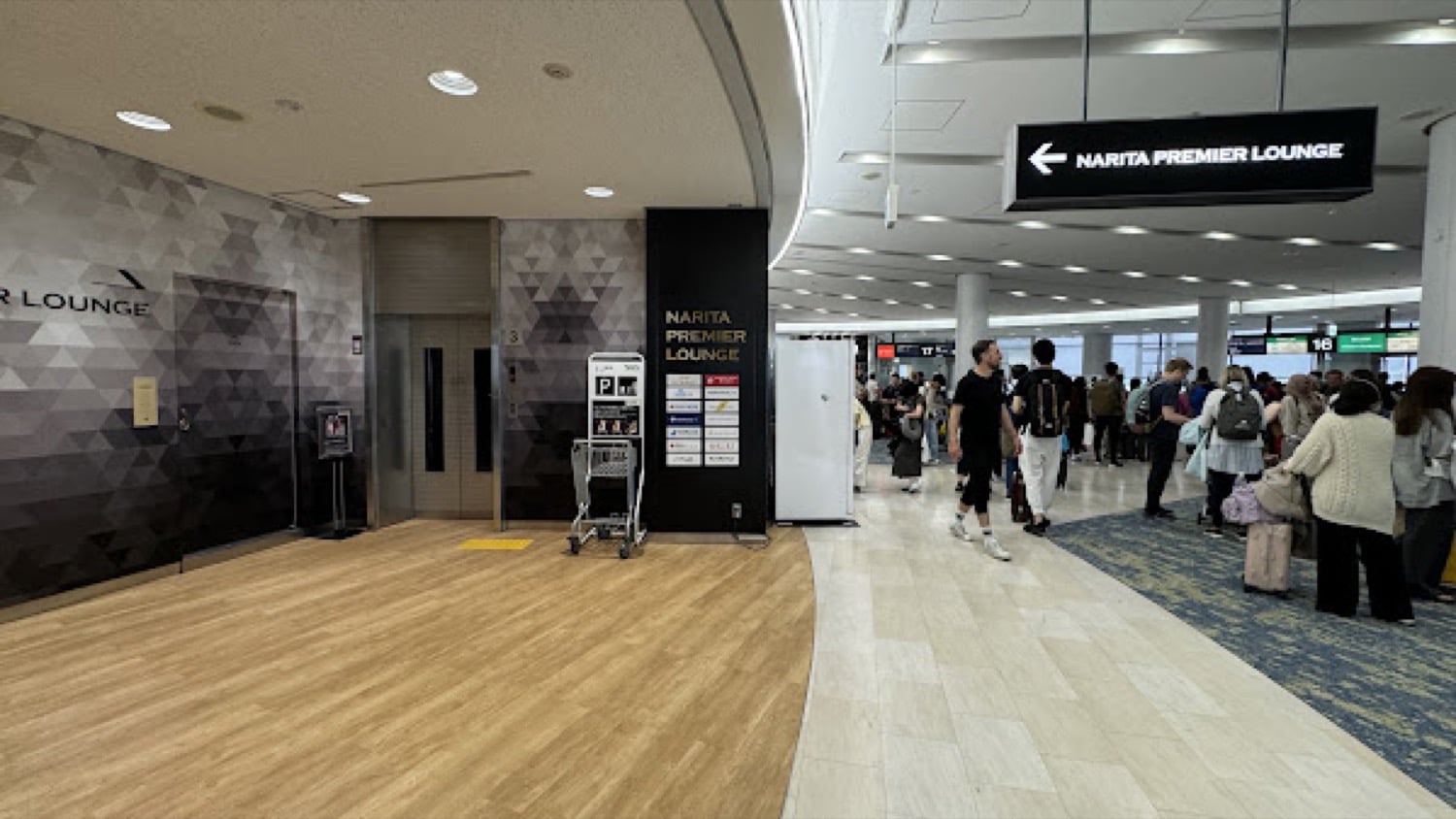
It is also notable that Terminal 3 at Narita does not have any lounges at all. Airlines operating from that terminal are all low-cost carriers.
Haneda vs. Narita: Pros and Cons
| Haneda | Narita | |
|---|---|---|
| Travel time to Tokyo City Centre | 30 minutes | 1 hr+ |
| Domestic Flight Availability | Primary airport for Japanese domestic flights. (3 of top 10 busiest flight routes in the world fly from Haneda; Sapporo, Fukuoka, Naha) | Domestic connections are very limited, or use low-cost carriers with variable baggage restrictions/availability |
| International Flight Availability | Limited international destinations, especially long-haul | Lots of international availability, both legacy airlines and low-cost carriers to all parts of the world |
| Flight Pricing | Usually higher because of convenience | Lower, with options for long-haul low-cost carriers |
| Lounges | All 3 alliances operate lounges; ANA and JAL have dedicated long-haul business lounges for their own passengers | All 3 alliances operate lounges |
Which Airport Should You Choose?
If you’re a traveler looking to stay in central Tokyo or connect further in Japan by air, I would highly recommend options that fly into Haneda Airport for its close proximity and domestic flight availability. It would also be the preferable airport if you’re planning to stay in the western parts of the city, like Shinagawa, Shibuya, or Shinjuku. Haneda is also a good positioning point if you’re looking to travel westward from Tokyo by ground transportation, including the Shinkansen.
If you’re looking for a cheaper fare or looking for more international flight options, I would recommend flying into Narita. Narita also has more variety when it comes to business and first class redemptions because of its much larger list of airlines that serve the airport. If you’re also looking for a place for a cheap overnight layover that doesn’t require going into the city centre, or planning to visit in the eastern or northern part of Tokyo, Narita will be your best option.
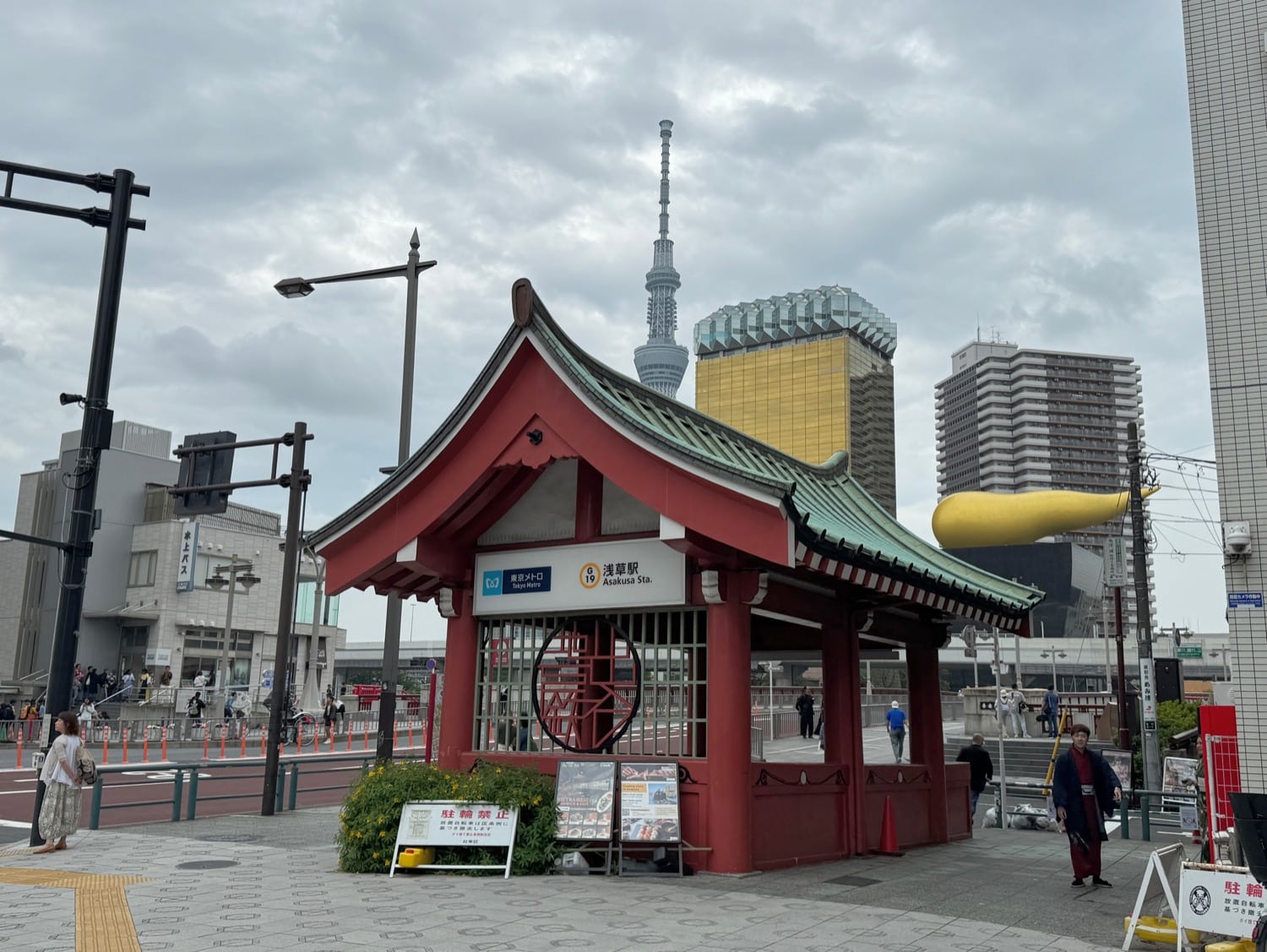
I had this predicament planning for my trip to Japan in November 2026, where my Air Canada flight from Vancouver was no longer able to connect with an ANA, or even Jetstar, flight from Narita to Sapporo after a timetable change that was shorter than the minimum connection time. I had to be rebooked for the next day from Haneda Airport because there were no more flights to Sapporo from Narita after 6 PM on either of those carriers.
By comparison, Haneda had flights to Sapporo every 20-50 minutes from 6:55 AM to 9:30 PM, whereas ANA had only one flight from Narita to Sapporo at 5:50 PM, presumably to consolidate all international connecting passengers into one flight.
Frequently Asked Questions
Haneda is much closer to Tokyo than Narita, with an approximate travel time of 30 minutes into the city center/Tokyo Station. In comparison, Narita has a travel time of about an hour to Tokyo Station. However, depending on where you stay, Haneda will be a better airport for accommodations in the city centre or western part of Tokyo whereas Narita has convenient options to the northern and eastern parts of the city.
No. International flights fly to both Haneda and Narita airports. However, there is a better domestic flight network from Haneda Airport in comparison to Narita Airport.
Yes. Airlines will permit booking flights into one airport and flying out from the other airport. However, availability may be limited, where you might have to connect on the way to or from Tokyo, especially if you fly from Haneda.
Depending on your preference, both airports have a good variety of lounges. Haneda will have the better option if you’re looking to fly domestically in Japan, whereas Narita has a greater variety of lounge options. Both airports have lounges for all 3 major airline alliances.
Depending on your itinerary, Haneda and Narita both have advantages for the type of connection you’re looking to make. Haneda’s domestic flight availability is much more desired than Narita. On the other hand, if you have an international itinerary, where you’re only staying in Tokyo to connect to another country, Narita will be your best option, with a greater variety of airlines and destinations.
If you’re looking to redeem points for travel in Business or First class and value the product more than the location , the most availability and variety will be itineraries flying through Narita Airport.
If you’re looking for a redemption that gets you closest to Tokyo’s city centre, flights through Haneda will be your best option for getting into Tokyo faster.

Andy Leung
Latest posts by Andy Leung (see all)
- Haneda vs. Narita: Which Tokyo Airport Should You Choose? - Oct 9, 2026
- Financial Institution Partnerships with Sports Teams in Canada: How Can You Benefit? - Jul 31, 2026
- Review: Petaling Jaya Marriott Hotel - Jul 29, 2026
- Eurail Pass: Complete Guide to Saving Money on European Train Travel (2026) - Jun 8, 2026
- How to Get to Vancouver Island (With and Without Points) - May 4, 2026