If you’ve ever opened your wallet and wondered whether your card is a charge card or a credit card, you’re not alone. The terms are often used interchangeably, but they describe two very different financial products that each have their own rules, advantages, and pitfalls.
Understanding how these two types of cards work can make a real difference in your financial health. From credit-score implications to cash-flow management and budgeting, knowing the difference can help you choose the right tool for your spending habits.
Let’s take a look at how charge cards differ from credit cards, how they work, and when it makes sense to use one over the other.
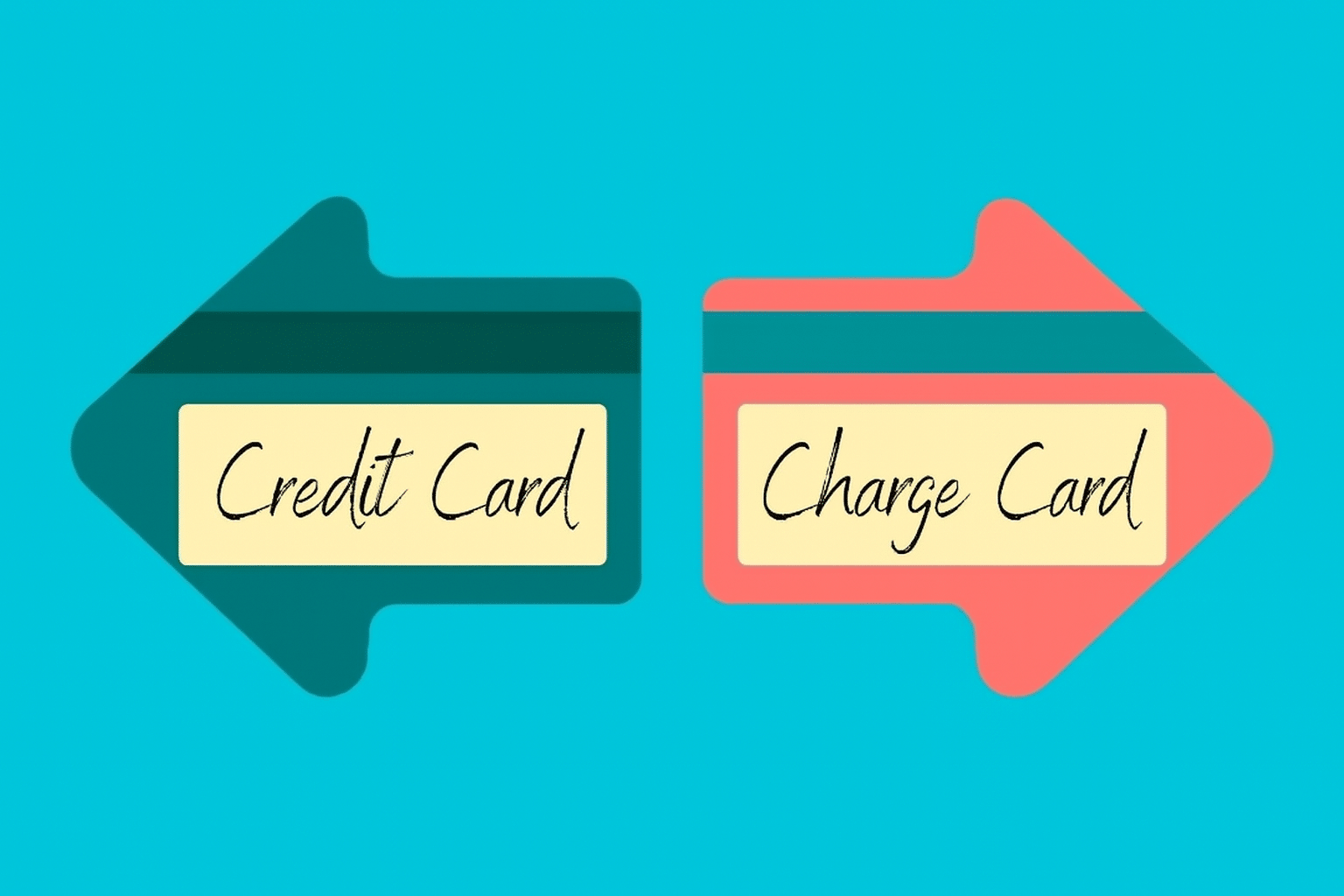
Charge Cards Vs. Credit Cards: Main Differences
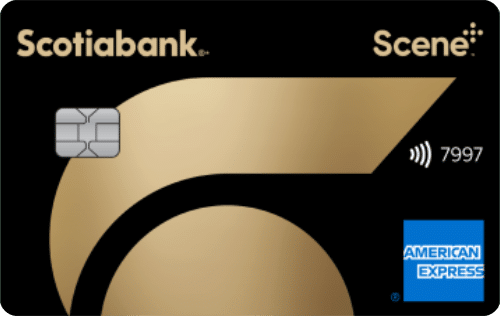
A charge card works very similarly to a credit card on the surface, as cardholders use it to make purchases and receive a monthly bill. There are far fewer charge cards available in Canada than credit cards, but some popular charge cards include the American Express Platinum Card and the American Express Business Platinum Card.
The critical difference is that cardholders must pay the full balance in full every month. That’s right, there’s usually no option to carry a balance and pay interest over time. If you don’t pay in full, your account can incur late fees, penalties, or even restrictions from the issuer. Because of this strict repayment requirement, charge cards don’t usually have a preset spending limit like credit cards.
Unlike credit cards, charge cards operate on a “no preset spending limit” model. That doesn’t mean unlimited spending, but rather, your available purchasing power adjusts based on factors like your income, payment history, and spending patterns.
This flexibility can be helpful for responsible users, but it can also get people into trouble if they mistake “no limit” for “no consequences”. Charge cards often appeal to those with disciplined spending habits and consistent cash flow, since they require paying off balances entirely each cycle.

Credit cards are a much more familiar concept for many consumers, as they are the most common type of payment card. The majority of cards in Canada, such as the Scotiabank Passport Visa Infinite + Card, fall into this category. When using a credit card, the bank or card issuer pays the merchant on your behalf, and you agree to pay the bank back later.
Each card comes with a preset credit limit, for example, $5,000. You can spend up to that limit and repay the balance over time. If you don’t pay your balance in full by the due date, including if you only make the minimum monthly payment, you’ll carry a revolving balance and be charged interest on the remaining amount.
Credit cards are convenient because they offer flexibility. You can make purchases even if your cash flow is tight that month, then pay back part of the balance over time. But that flexibility comes at a cost, often in the form of high interest rates (typically 19–24% annually). Even though you can carry a balance, the best habit to get into is paying your credit card balance off in full to avoid hefty interest charges.
This revolving credit model gives you flexibility but also the responsibility to manage your balance wisely.
Charge Card vs. Credit Card: Main Differences Summarized
If you want a quick summary of the main differences between charge cards and credit cards, we’ve prepared a table that sums up the essentials.
| Feature | Charge Card | Credit Card |
|---|---|---|
| Payment Flexibility | You must pay your full balance every month once the statement is issued. | You can carry a balance by making minimum payments, but you’ll pay interest. |
| Credit Limit | No preset limit, but spending power varies by user. | Has a fixed, visible credit limit (e.g., $10,000). |
| Interest Charges | Generally, none (since full payment is required). | Yes, if you carry a balance. |
| Annual Fee | Typically have higher annual fees. | Varies, as many cards have no annual fees, up to premium credit cards that have high annual fees. |
| Credit Score Impact | No fixed limit, so utilization isn’t calculated the same way. | Utilization ratio (balance divided by limit) affects your score. |
| Best For | Disciplined spenders who pay in full and value structure. | Users who want flexibility or need to build credit gradually. |
How Credit Cards & Charge Cards Impact Your Credit Score
While credit cards and charge cards are both credit products, the way they impact your credit score is slightly different. As a reminder, your credit score is influenced by a few key factors: payment history, credit utilization, account age, credit mix, and new inquiries.
Credit cards report both your limit and balance, which means the credit utilization ratio how much of your limit you’re using, directly affects your score. Keeping utilization below 30% is generally considered healthy.
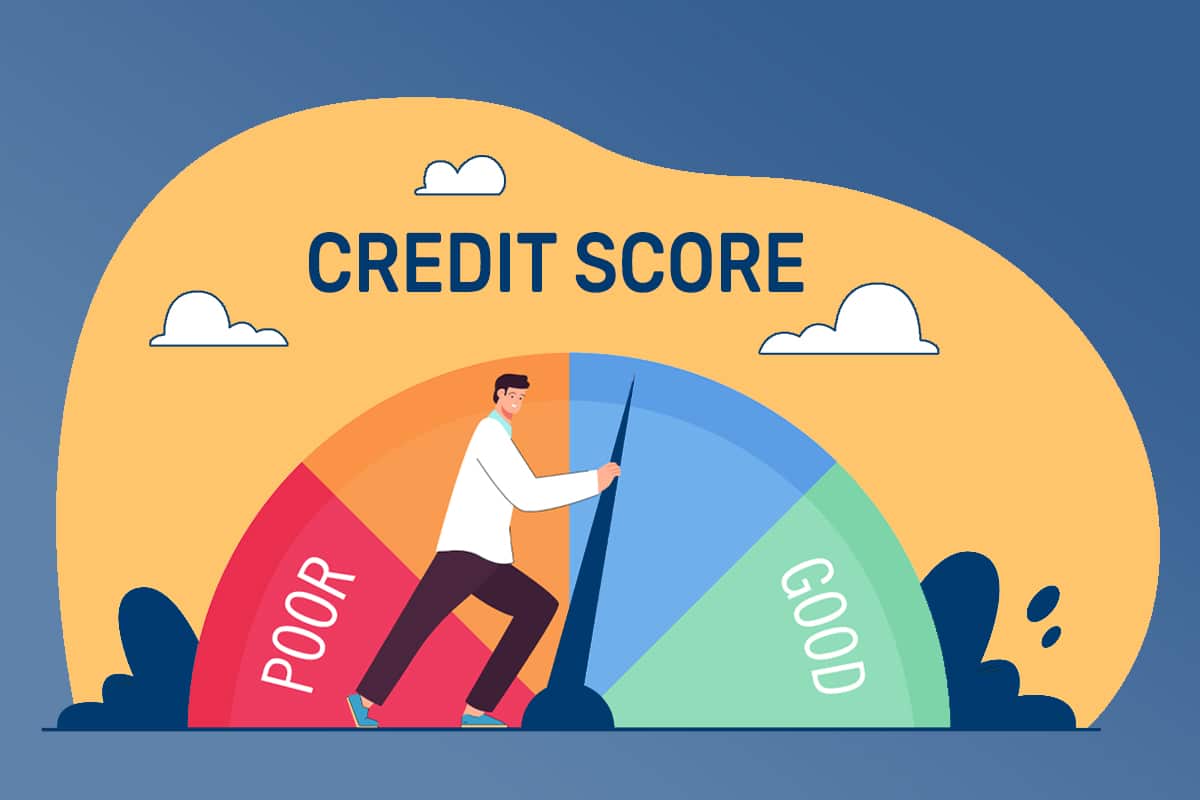
Charge cards, on the other hand, typically don’t have a stated limit. That means utilization isn’t calculated the same way. However, payment history still matters, and missing or delaying a payment on a charge card can hurt your score just as much as missing a credit-card payment.
In both cases, making your required payments on time is the single most important thing you can do to maintain or improve your credit score.
Is a Charge Card or a Credit Card The Best Option?
Still wondering if a charge card or a credit card is the best option for you? The answer depends on your financial habits, cash flow, and discipline.
You might prefer a credit card if you want flexibility to carry a balance occasionally. If you are still building your credit history or if you want lower or no annual fees, a credit card might be the better choice.
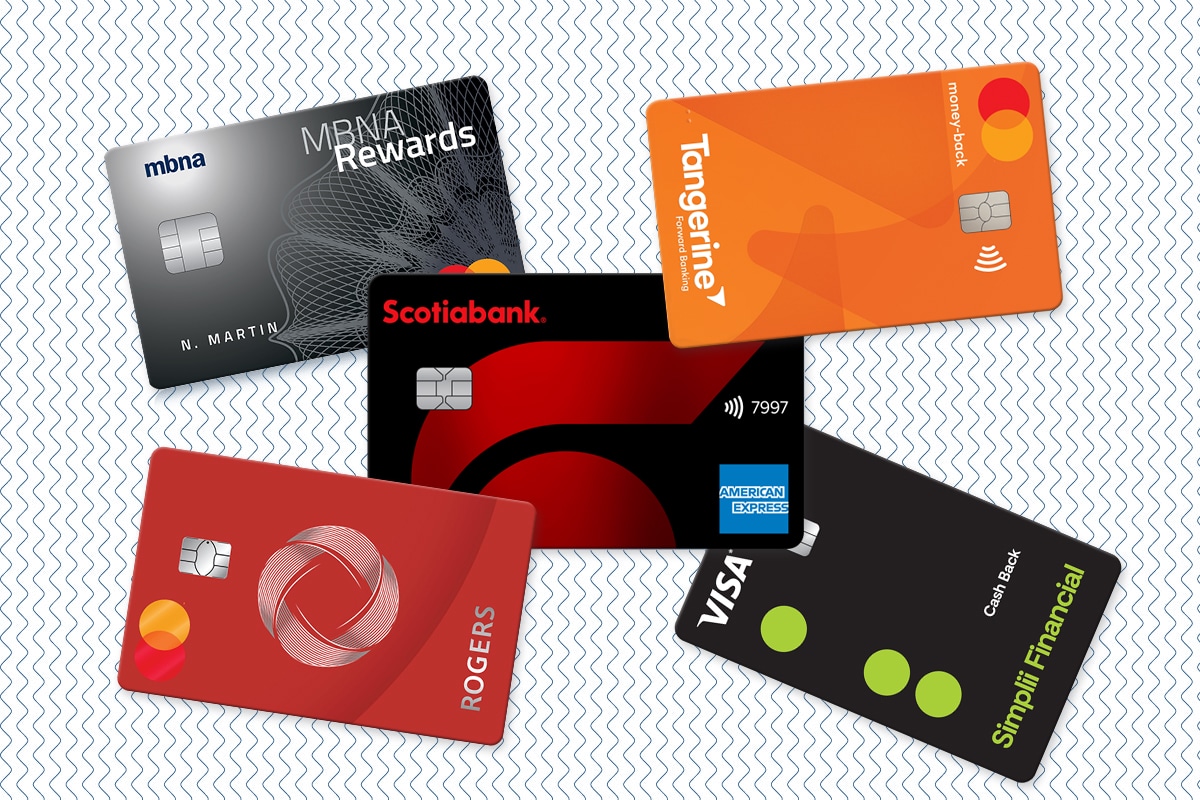
A charge card might be a better choice if you pay your balances in full every month without fail. Cardholders also must value accountability, as charge cards enforce discipline, plus you’ll need to have a consistent income and the ability to handle larger monthly payments.
In essence, a credit card offers flexibility, while a charge card enforces financial discipline.
Many Canadians might even have both a credit card and a charge card in their wallet. While there are far fewer charge cards available in Canada, both products serve a purpose in the personal finance landscape.
Conclusion
Credit cards and charge cards can be powerful financial tools or dangerous traps. The key difference comes down to payment flexibility and discipline, as charge cards require full payment monthly and reward consistent responsibility, whereas credit cards offer short-term borrowing power with interest if you carry a balance.
If you’re focused on managing your finances wisely, avoiding unnecessary debt, and maintaining a strong credit score, the ideal approach is to pay your balance in full every month, no matter which type of card you use, as part of good personal finance habits. Do that consistently, and you’ll get the best of both worlds: convenience, flexibility, and a solid financial foundation.
Frequently Asked Questions
The biggest difference is payment flexibility. A charge card requires you to pay your balance in full each month, while a credit card lets you carry a balance and pay interest on unpaid amounts. Charge cards typically have no preset spending limit, but late payments can lead to penalties or suspended use.
Yes. Both charge cards and credit cards can impact your credit score, as payment history and account age are key factors. However, since charge cards don’t have a fixed credit limit, they may not influence your credit utilization ratio in the same way a credit card does.

Josh Bandura
Latest posts by Josh Bandura (see all)
- Scotia Momentum Visa Infinite + Card Review - Oct 15, 2026
- Review: KLM Business Class (A330-300) - Oct 7, 2026
- American Express Aeroplan Reserve Cards: Changes Inbound - Sep 29, 2026
- New Tangerine Credit Card Offers – Up to 60,000 Scene+ Points! - Sep 25, 2026
- WestJet Points: Variance In Redemption Value - Sep 21, 2026